
Blog
rice export of Pakistan

Unlocking Potential: Pakistan’s Growing Rice Export Market
Pakistan’s rice export market is thriving, showcasing immense potential for growth. Discover how this agricultural powerhouse is reshaping global trade dynamics.
How to Export Rice from Pakistan
Exporting rice from Pakistan involves a detailed procedure that ensures quality and compliance with international standards. The process begins with obtaining a license from the Trade Development Authority of Pakistan (TDAP) and the Ministry of Commerce. Exporters need to register as a member of the Rice Exporters Association of Pakistan (REAP), which plays a crucial role in promoting rice exports and ensuring quality control.
Once the necessary registrations are in place, the exporter must source high-quality rice, which is typically done through agreements with local farmers or purchasing from brokers. The rice is then processed and packaged in accordance with the importing country’s specifications. Compliance with international phytosanitary standards is essential, and a certificate from the Plant Protection Department is required to ensure the rice is free from pests and diseases.
After packaging, the rice is transported to the designated port for shipment. Exporters must prepare a comprehensive set of documents, including the commercial invoice, packing list, bill of lading, certificate of origin, and insurance certificate. These documents are submitted to the customs authorities for clearance, ensuring that all legal and regulatory requirements are met before the rice is shipped to its destination.
Rice Export Price from Pakistan
The price of rice exported from Pakistan varies based on several factors, including the type of rice, quality, and global market conditions. Pakistan primarily exports two varieties of rice: Basmati and non-Basmati. Basmati rice, known for its long grains and aromatic flavor, commands a higher price compared to non-Basmati varieties due to its premium quality.
As of recent market trends, the price of Basmati rice ranges between $900 to $1200 per metric ton, depending on the grade and quality. In contrast, non-Basmati rice is priced between $400 to $600 per metric ton. These prices are influenced by factors such as demand and supply dynamics, production costs, and international competition.
Exporters must stay updated with global market trends and pricing fluctuations to remain competitive. Engaging in futures contracts and using hedging strategies can help mitigate risks associated with price volatility. Additionally, building long-term relationships with buyers and participating in international trade fairs can provide valuable insights into market demands and pricing trends.
How Much Rice Does Pakistan Export
Pakistan is one of the leading rice exporters in the world, significantly contributing to the global rice trade. Annually, Pakistan exports approximately 4 million metric tons of rice, which accounts for about 10% of the world’s total rice exports. This substantial volume underscores the importance of rice as a key agricultural commodity for the country.
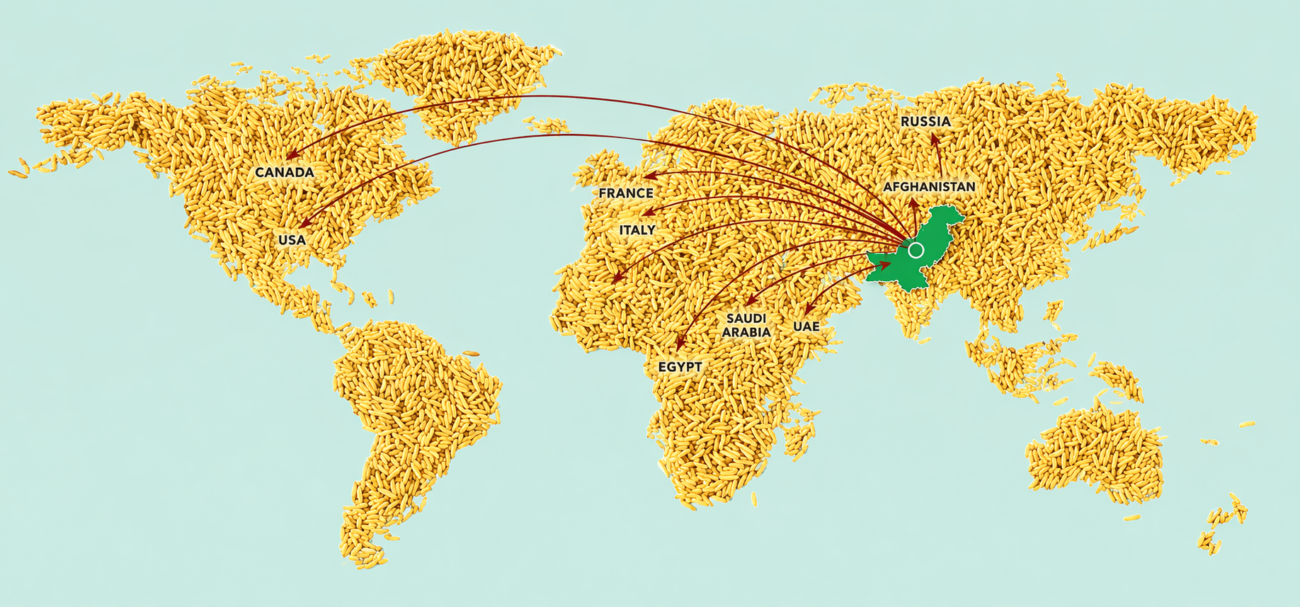
The majority of Pakistan’s rice exports are destined for markets in the Middle East, Africa, and Europe. Major importers include countries like Saudi Arabia, the United Arab Emirates, Kenya, and the United Kingdom. The diverse export destinations highlight Pakistan’s ability to cater to varying consumer preferences and quality standards.
The export volume has been steadily increasing over the years due to the expansion of cultivated areas, improved farming practices, and the adoption of high-yield rice varieties. Government initiatives aimed at boosting agricultural productivity and export-oriented policies have also played a significant role in enhancing Pakistan’s rice export capacity.
Who is the Largest Exporter of Rice
India currently holds the title of the largest exporter of rice globally, accounting for over 30% of the world’s rice exports. India’s dominance in the rice export market is attributed to its vast agricultural land, favorable climatic conditions, and extensive production of both Basmati and non-Basmati rice varieties. The country’s well-developed supply chain infrastructure also supports its leading position.
However, Pakistan is a close competitor, especially in the Basmati rice segment, where it is renowned for producing some of the finest quality aromatic rice. Pakistan’s strategic focus on enhancing the quality and yield of Basmati rice has enabled it to maintain a strong presence in key international markets. The country’s reputation for high-quality rice has helped it secure significant market share, particularly in the Middle East and Europe.
While India continues to lead in terms of overall rice exports, Pakistan’s competitive edge in the Basmati segment positions it as a vital player in the global rice trade. Both countries benefit from the growing global demand for rice, driven by population growth, urbanization, and changing dietary preferences.
Factors Driving Growth in Rice Exports
Several factors are driving the growth of rice exports from Pakistan, contributing to the country’s prominence in the global rice market. One of the primary factors is the increasing global demand for rice, driven by population growth and rising incomes in developing countries. As more people incorporate rice into their diets, the demand for high-quality rice varieties from Pakistan continues to rise.
Government policies and initiatives aimed at boosting agricultural productivity have also played a crucial role in driving export growth. Programs focused on providing farmers with access to high-yield rice varieties, modern farming techniques, and financial support have significantly increased rice production. Additionally, investments in irrigation infrastructure and research and development have further enhanced the quality and yield of Pakistani rice.
Furthermore, Pakistan’s strategic geographical location provides it with a competitive advantage in accessing key export markets. Proximity to major importing regions such as the Middle East and Africa allows for shorter shipping times and reduced transportation costs. This logistical advantage, combined with competitive pricing and high-quality standards, makes Pakistani rice an attractive choice for international buyers.
Challenges Facing the Rice Export Industry
Despite the promising growth prospects, the rice export industry in Pakistan faces several challenges that need to be addressed to sustain its upward trajectory. One of the significant challenges is the volatility of global rice prices, which can impact the profitability of exporters. Fluctuations in prices due to changes in supply and demand dynamics, weather conditions, and geopolitical factors can create uncertainties for exporters.
Another challenge is the need to maintain consistent quality standards to meet the stringent requirements of international markets. Ensuring that rice is free from contaminants, pests, and diseases requires stringent quality control measures and adherence to phytosanitary standards. Any deviation from these standards can result in rejection of shipments, leading to financial losses and damage to the country’s reputation.
Additionally, infrastructure limitations, such as inadequate storage facilities and transportation networks, can hinder the efficient movement of rice from farms to export markets. Addressing these infrastructural bottlenecks is essential to ensure the timely and safe delivery of rice to international buyers. Investments in modern storage facilities, transportation infrastructure, and logistics management systems are critical to overcoming these challenges.
Quality Standards and Certifications for Rice Exports
Maintaining high-quality standards is paramount for the success of Pakistan’s rice export industry. International buyers demand rice that meets specific quality criteria, including grain size, moisture content, purity, and absence of contaminants. To meet these requirements, exporters must adhere to stringent quality control measures throughout the production and processing stages.
One of the key certifications for rice exports is the Hazard Analysis and Critical Control Points (HACCP) certification, which ensures that the rice is produced, processed, and handled in a manner that minimizes food safety hazards. Additionally, the International Organization for Standardization (ISO) certifications, such as ISO 9001 and ISO 22000, are often required to demonstrate compliance with international quality management standards.
Exporters must also obtain phytosanitary certificates from the Plant Protection Department to certify that the rice is free from pests and diseases. Compliance with these certifications and standards is essential to gain access to lucrative markets and build trust with international buyers. Regular audits, inspections, and testing are conducted to ensure that the rice meets the required quality standards and remains competitive in the global market.
Government Policies Supporting Rice Export Growth
The Pakistani government has implemented several policies and initiatives to support the growth of the rice export industry. One of the key policies is the provision of subsidies and financial assistance to farmers to encourage the cultivation of high-yield rice varieties. These subsidies help reduce the cost of production and increase the profitability of rice farming.
The government also invests in research and development to develop new rice varieties that are resistant to pests and diseases, have higher yields, and are suitable for different climatic conditions. Collaboration with international agricultural research organizations helps in adopting best practices and technologies to improve rice production and quality.
Additionally, the government has established export promotion councils and trade facilitation centers to assist exporters in navigating the complexities of international trade. These centers provide valuable information on market trends, quality standards, and export procedures. They also organize trade missions and participate in international trade fairs to promote Pakistani rice and connect exporters with potential buyers.
Top Rice Exporter of Pakistan
Among the numerous rice exporting companies in Pakistan, Matco Foods stands out as one of the top exporters. Established in 1964, Matco Foods has built a strong reputation for producing and exporting high-quality Basmati and non-Basmati rice. The company operates state-of-the-art processing facilities and adheres to stringent quality control measures to ensure that its rice meets international standards.
Matco Foods exports rice to over 60 countries, including key markets in the Middle East, Europe, and North America. The company’s commitment to quality and customer satisfaction has earned it numerous awards and certifications, including ISO 9001, ISO 22000, and HACCP certifications. Matco Foods’ success is attributed to its focus on innovation, sustainability, and building long-term relationships with buyers.
Another notable exporter is Guard Rice, which has been in operation since 1989. Guard Rice is known for its premium Basmati rice, which is highly sought after in international markets. The company’s emphasis on quality, coupled with its extensive distribution network, has enabled it to become a leading player in the rice export industry. Guard Rice exports to over 40 countries and continues to expand its market presence through strategic partnerships and investments in research and development.
Conclusion: The Road Ahead for Pakistan’s Rice Industry
The future of Pakistan’s rice export industry looks promising, with immense potential for growth and expansion. The country’s strategic focus on improving agricultural productivity, enhancing quality standards, and expanding market access will play a crucial role in sustaining its competitive edge in the global rice market. Continued investments in research and development, infrastructure, and capacity building are essential to address the challenges and capitalize on emerging opportunities.
Government policies and initiatives aimed at supporting farmers and exporters will further strengthen the industry’s foundation. By fostering innovation, sustainability, and collaboration, Pakistan can enhance its position as a leading rice exporter and contribute significantly to global food security. The commitment to maintaining high-quality standards and meeting the evolving demands of international buyers will be key to unlocking the full potential of Pakistan’s rice export market.
In conclusion, Pakistan’s rice export industry is on a growth trajectory, driven by favorable market conditions, government support, and the dedication of farmers and exporters. By addressing challenges and leveraging opportunities, Pakistan can continue to thrive as an agricultural powerhouse and reshape global trade dynamics. The road ahead is filled with promise, and with the right strategies and efforts, Pakistan’s rice industry can achieve new heights of success and contribute to the country’s economic prosperity.