




BEST SELLERS
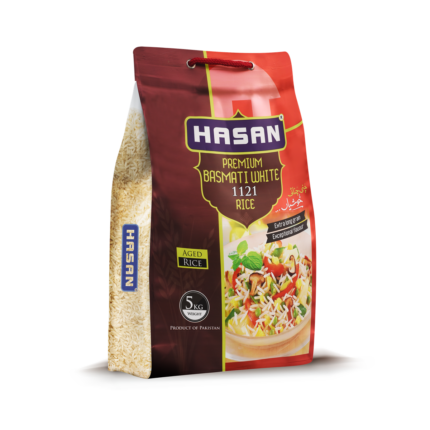
Hasan Premium 1121 Rice
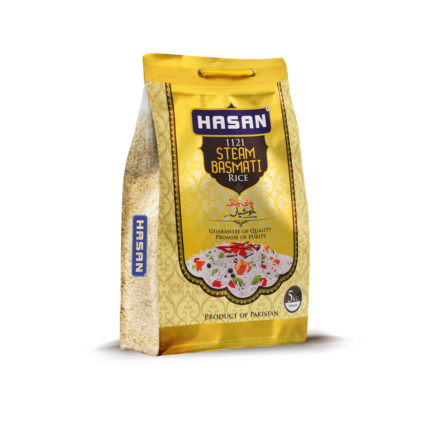
Hasan Steam 1121 Rice

Rice prices in Pakistan for 2026, uncovering key trends and pakistan best rice exporter insights that impact consumers and the agricultural sector alike.
Understanding Rice Prices in Pakistan: Trends and Insights 2026
Rice prices in Pakistan for 2026, uncovering key trends and Pakistan best rice exporter insights that impact consumers and the agricultural sector alike.
Overview of Rice Production in Pakistan
Rice is one of the most significant crops in Pakistan, both in terms of agricultural output and its contribution to the economy. Pakistan is one of the largest rice-producing countries in the world, with the crop being a staple food for much of its population. The fertile plains of Punjab and Sindh are the primary regions where rice is cultivated, benefiting from the favorable climatic conditions and irrigation facilities provided by the Indus River. These regions produce various types of rice, including Basmati, which is renowned globally for its distinctive aroma and long grains.
The agricultural sector in Pakistan is heavily reliant on rice production, which not only supports the livelihood of millions of farmers but also plays a crucial role in the country’s export economy. The government, recognizing the importance of rice, has implemented various initiatives to support farmers and enhance productivity. These include subsidies on fertilizers and seeds, as well as investments in agricultural research to develop high-yield and disease-resistant rice varieties. The goal is to increase both the quality and quantity of rice produced, ensuring that Pakistan remains competitive in the global market.
Despite these efforts, rice production in Pakistan faces several challenges, including water shortages, pest infestations, and the impacts of climate change. These factors can significantly affect yield and quality, thereby influencing rice prices. Understanding the intricacies of rice production in Pakistan is essential for comprehending the broader trends and dynamics of rice prices in the country.
Historical Trends in Rice Prices
The historical trends in rice prices in Pakistan provide valuable insights into the factors that have shaped the current market dynamics. Over the past few decades, rice prices have exhibited considerable volatility, influenced by both domestic and international factors. In the early 2000s, rice prices in Pakistan were relatively stable, supported by favorable weather conditions and strong agricultural policies. However, this stability was disrupted by a series of events, including natural disasters, economic fluctuations, and shifts in global demand.
One of the most significant disruptions occurred in 2008 when the global food crisis led to a sharp increase in rice prices worldwide. Pakistan was not immune to this crisis, and domestic rice prices soared, causing considerable distress among consumers and farmers alike. The government responded with various measures, including export restrictions and price controls, to stabilize the market. Despite these efforts, the aftershocks of the crisis were felt for several years, with prices remaining elevated compared to pre-crisis levels.
In recent years, rice prices in Pakistan have continued to fluctuate, influenced by a combination of local and global factors. The devaluation of the Pakistani rupee, rising production costs, and shifts in international trade policies have all played a role in shaping price trends. Additionally, the impact of climate change on agricultural output has introduced new uncertainties into the market. Analyzing these historical trends is crucial for understanding the current state of rice prices and predicting future movements.
Factors Influencing Rice Prices in 2023
Several factors are influencing rice prices in Pakistan in 2023, ranging from domestic agricultural conditions to global market dynamics. One of the primary factors is the overall supply and demand balance within the country. Rice production levels, influenced by weather conditions, pest infestations, and agricultural inputs, play a crucial role in determining supply. Any disruptions in production, such as those caused by floods or droughts, can lead to reduced supply and consequently higher prices.
Another significant factor is the cost of production. Rising prices for agricultural inputs such as fertilizers, seeds, and labor can increase the overall cost of rice production. These increased costs are often passed on to consumers in the form of higher prices. Additionally, economic factors such as inflation and currency depreciation can also impact rice prices. The devaluation of the Pakistani rupee makes imported agricultural inputs more expensive, further driving up production costs.
Global market trends also have a considerable impact on rice prices in Pakistan. Changes in international demand, trade policies, and export opportunities can influence domestic prices. For instance, if there is a surge in demand for Pakistani rice in the global market, it can lead to higher domestic prices due to increased export volumes. Conversely, trade restrictions or reduced global demand can exert downward pressure on prices. Understanding these factors is essential for predicting and managing rice prices in Pakistan.
The Impact of Climate Change on Rice Production
Climate change poses a significant threat to rice production in Pakistan, with potentially severe implications for both the agricultural sector and rice prices. Changes in weather patterns, including increased temperatures, irregular rainfall, and more frequent extreme weather events, can adversely affect rice cultivation. For instance, higher temperatures can lead to heat stress in rice plants, reducing yields and affecting grain quality. Similarly, irregular rainfall can disrupt the planting and harvesting schedules, leading to lower productivity.
One of the most concerning impacts of climate change is the increased frequency of extreme weather events such as floods and droughts. Floods can cause widespread damage to rice fields, washing away crops and destroying infrastructure. Droughts, on the other hand, can lead to water shortages, severely limiting the availability of irrigation water essential for rice cultivation. Both scenarios can lead to significant reductions in rice production, creating supply shortages and driving up prices.
In response to these challenges, the agricultural sector in Pakistan is increasingly focusing on climate-resilient farming practices. This includes the development and adoption of drought-resistant and flood-tolerant rice varieties, improved irrigation techniques, and better soil management practices. These efforts aim to mitigate the impacts of climate change and ensure a stable supply of rice. However, the effectiveness of these measures will ultimately determine the extent to which rice prices can be stabilized in the face of ongoing climate challenges.
Government Policies Affecting Rice Prices
Government policies play a crucial role in shaping rice prices in Pakistan. These policies encompass a wide range of measures, including subsidies, price controls, export regulations, and support for agricultural research and development. One of the primary ways the government influences rice prices is through subsidies on agricultural inputs such as fertilizers, seeds, and pesticides. By reducing the cost of these inputs, the government aims to lower production costs for farmers, thereby helping to stabilize rice prices.
Price controls and support prices are other important tools used by the government to manage rice prices. Support prices are minimum prices set by the government to ensure that farmers receive a fair return for their produce. These prices act as a safety net, protecting farmers from market fluctuations and ensuring a stable income. However, the effectiveness of support prices depends on their implementation and enforcement. If set too low, they may not provide adequate support to farmers, while excessively high prices can lead to market distortions.
Export regulations also have a significant impact on rice prices. The government may impose export restrictions or tariffs to ensure sufficient domestic supply and stabilize prices. Conversely, promoting rice exports can boost demand and potentially raise domestic prices. Balancing these objectives requires careful policy design and implementation. Additionally, investments in agricultural research and development are crucial for enhancing productivity and ensuring long-term stability in rice prices. Government policies in these areas can significantly influence the dynamics of the rice market in Pakistan.
Global Market Trends and Their Effect on Pakistan
Global market trends have a profound impact on rice prices in Pakistan, given the country’s significant role in the international rice trade. Changes in global demand, supply chain disruptions, and international trade policies can all influence domestic rice prices. One of the key global trends affecting rice prices is the demand from major importing countries. For instance, increased demand from countries in the Middle East, Africa, and Europe can boost export volumes from Pakistan, leading to higher domestic prices.
Trade policies and agreements also play a crucial role in shaping global market dynamics. Tariffs, trade barriers, and export restrictions imposed by other countries can impact Pakistan’s rice exports and, consequently, domestic prices. For instance, favorable trade agreements with major rice-importing countries can enhance export opportunities for Pakistani rice, potentially driving up domestic prices due to increased demand. Conversely, trade restrictions or tariffs imposed by importing countries can reduce export volumes and exert downward pressure on prices.
Supply chain disruptions, such as those caused by geopolitical tensions, natural disasters, or pandemics, can also affect global rice markets. For example, the COVID-19 pandemic led to significant disruptions in global supply chains, affecting rice trade and prices worldwide. Such disruptions can create uncertainties in the market, influencing both export opportunities and domestic prices. Understanding these global market trends is essential for predicting and managing rice prices in Pakistan.
Regional Price Variations Across Pakistan
Rice prices in Pakistan exhibit considerable regional variations, influenced by factors such as production levels, transportation costs, and local demand. The primary rice-producing regions, Punjab and Sindh, typically have lower rice prices due to the proximity to production centers and reduced transportation costs. Conversely, regions that rely on rice imports from other provinces, such as Balochistan and Khyber Pakhtunkhwa, often experience higher prices due to additional transportation and logistics costs.
Local demand and consumption patterns also play a role in regional price variations. Urban areas with higher population densities and greater demand for rice may experience higher prices compared to rural areas. Additionally, regional preferences for specific types of rice, such as Basmati or non-Basmati varieties, can influence prices. For instance, regions with a strong preference for premium Basmati rice may experience higher prices compared to areas where non-Basmati varieties are more popular.
Transportation and logistics infrastructure also impact regional price variations. Regions with better transportation networks and access to major markets may benefit from lower prices due to reduced transportation costs. Conversely, remote or less accessible areas may face higher prices due to increased transportation and distribution costs. Understanding these regional variations is crucial for developing targeted policies and interventions to ensure equitable access to rice across different regions of Pakistan.
Consumer Behavior and Rice Consumption Patterns
Consumer behavior and rice consumption patterns in Pakistan are influenced by various factors, including cultural preferences, income levels, and dietary habits. Rice is a staple food for a significant portion of the Pakistani population, with different regions exhibiting distinct consumption patterns. In urban areas, consumers often prefer premium rice varieties such as Basmati, which are associated with higher prices. In contrast, rural areas may have a higher consumption of non-Basmati varieties, which are generally more affordable.
Income levels also play a crucial role in shaping rice consumption patterns. Higher-income households tend to consume more premium rice varieties and are less sensitive to price changes. Conversely, lower-income households may opt for more affordable rice options and are more affected by price fluctuations. This income-based differentiation in rice consumption highlights the importance of considering socioeconomic factors when analyzing consumer behavior and rice prices.
Cultural and dietary habits further influence rice consumption patterns. Different regions and communities in Pakistan have distinct culinary traditions that dictate their rice preferences. For instance, Biryani, a popular dish made with Basmati rice, is a staple in many urban households and special occasions. Understanding these cultural and dietary factors is essential for comprehending the demand dynamics and price sensitivity of consumers in Pakistan’s rice market.
Future Predictions for Rice Prices in Pakistan
Predicting future rice prices in Pakistan involves analyzing a complex interplay of factors, including production levels, government policies, global market trends, and climate conditions. One of the key determinants of future rice prices is the overall supply and demand balance. If production levels remain stable or increase due to favorable weather conditions and improved agricultural practices, rice prices are likely to remain stable. Conversely, any disruptions in production, such as those caused by climate change or pest infestations, can lead to supply shortages and higher prices.
Government policies will continue to play a crucial role in shaping future rice prices. Policies aimed at supporting farmers, enhancing productivity, and stabilizing prices will be essential for ensuring a stable and affordable rice supply. Additionally, investments in agricultural research and development, infrastructure, and climate-resilient farming practices will be critical for mitigating the impacts of climate change and ensuring long-term stability in rice prices.
Global market trends and trade policies will also influence future rice prices in Pakistan. Changes in international demand, trade agreements, and supply chain dynamics can impact export opportunities and domestic prices. For instance, increased global demand for Pakistani rice can boost export volumes and potentially raise domestic prices. Conversely, trade restrictions or reduced global demand can exert downward pressure on prices. Understanding these factors and their potential impact on future rice prices is essential for policymakers, farmers, and consumers alike.
Conclusion and Key Takeaways
Understanding rice prices in Pakistan requires a comprehensive analysis of various factors, including production levels, historical trends, climate change, government policies, global market dynamics, regional variations, and consumer behavior. Rice is a crucial crop for Pakistan, supporting the livelihoods of millions of farmers and contributing significantly to the economy. Historical trends in rice prices highlight the volatility and complexity of the market, influenced by both domestic and international factors.
In 2023, rice prices in Pakistan are shaped by a combination of supply and demand dynamics, production costs, economic factors, and global market trends. Climate change poses a significant threat to rice production, necessitating the adoption of climate-resilient farming practices and investments in agricultural research. Government policies, including subsidies, price controls, and export regulations, play a crucial role in stabilizing prices and supporting farmers.
Global market trends and trade policies influence domestic rice prices through changes in export opportunities and international demand. Regional variations in rice prices reflect differences in production levels, transportation costs, and local demand. Consumer behavior and rice consumption patterns are influenced by cultural preferences, income levels, and dietary habits. Predicting future rice prices involves analyzing these complex factors and their potential impact on supply, demand, and market dynamics.
In conclusion, understanding the intricacies of rice prices in Pakistan is essential for policymakers, farmers, and consumers. By analyzing the various factors influencing rice prices, stakeholders can make informed decisions and develop strategies to ensure a stable and affordable rice supply. As the agricultural sector continues to face challenges and opportunities, a comprehensive understanding of rice market dynamics will be crucial for navigating the future.